

The Leather Guide
The Leather Guide
Explore the world's finest tanneries — the leathers, the craft, and the stories behind them.
The oldest surviving tannery in Chicago, Horween has been family-owned for five generations. They are the world's foremost producer of Shell Cordovan — a non-porous leather made from the fibrous flat muscle beneath a horse's hindquarters. Their Chromexcel leather, a pull-up chrome/oil combination, is beloved across the boot and leather goods world for its depth of color and durability.

One of the last American tanneries still using traditional pit vegetable tanning — a process where hides are slowly submerged in progressively stronger bark liquor pits over many months. Founded in 1867, Wickett & Craig produces some of the finest harness and bridle leathers in the world. Their leathers are firm, dense, and develop a magnificent patina over decades of use.

Founded in 1872 alongside the Red Wing Shoe Company, S.B. Foot has been a cornerstone of American work boot leather for over 150 years. Located in Red Wing, Minnesota — a town synonymous with quality American boots — they produce a wide range of leathers from dress-smooth to rough-out, serving both heritage brands and independent makers.
.png)
.png)
Seidel Tanning Corp. is one of the premier suppliers to the American premium work boot industry, best known as the primary leather provider for Nick's Boots and White's Boots. Their leathers are characterized by exceptional thickness, density, and oil content — properties that translate directly into extreme durability and outstanding waterproofing in demanding work environments.

Charles F. Stead has been producing world-class suedes and nubucks from their Leeds tannery since 1905. They are arguably the finest suede producer in the English-speaking world, with their Kudu leather — sourced from African greater kudu antelope — being one of the most sought-after exotic materials in premium footwear. Their classic English Commander suedes are staples of British heritage boot making.


The Tannerie D'Annonay sits in the Ardèche river valley, a region with a centuries-old tanning tradition. One of the great French luxury tanneries, they are best known for their fine calfskin leathers used by luxury shoemakers in Paris and beyond. Their Marsouf line delivers the refined elegance expected from French leather — tight grain, vivid colors, and a supple, responsive hand.
One of the oldest continuously operating tanneries in Europe, Tanneries Haas has been crafting fine leathers in the Alsace region of France since 1842. They supply calfskin and bovine leathers to the world's most prestigious footwear houses in Paris, Milan, and London. Their Elbamatt leather is particularly prized for its exceptional hand and the depth of color it achieves with Tuscan-inspired dyeing.
Based in the Florentine hills near Pontassieve, Badalassi Carlo has been producing some of Italy's finest vegetable-tanned leathers since 1954. Part of the prestigious Pelletteria Toscana tradition, they are members of the Vera Pelle Italiana Conciata al Vegetale consortium — a guarantee of authentic vegetable tanning methods. Their Pueblo leather, a drum-milled pull-up veg tan, has become one of the most iconic leathers in the boot and bag world.
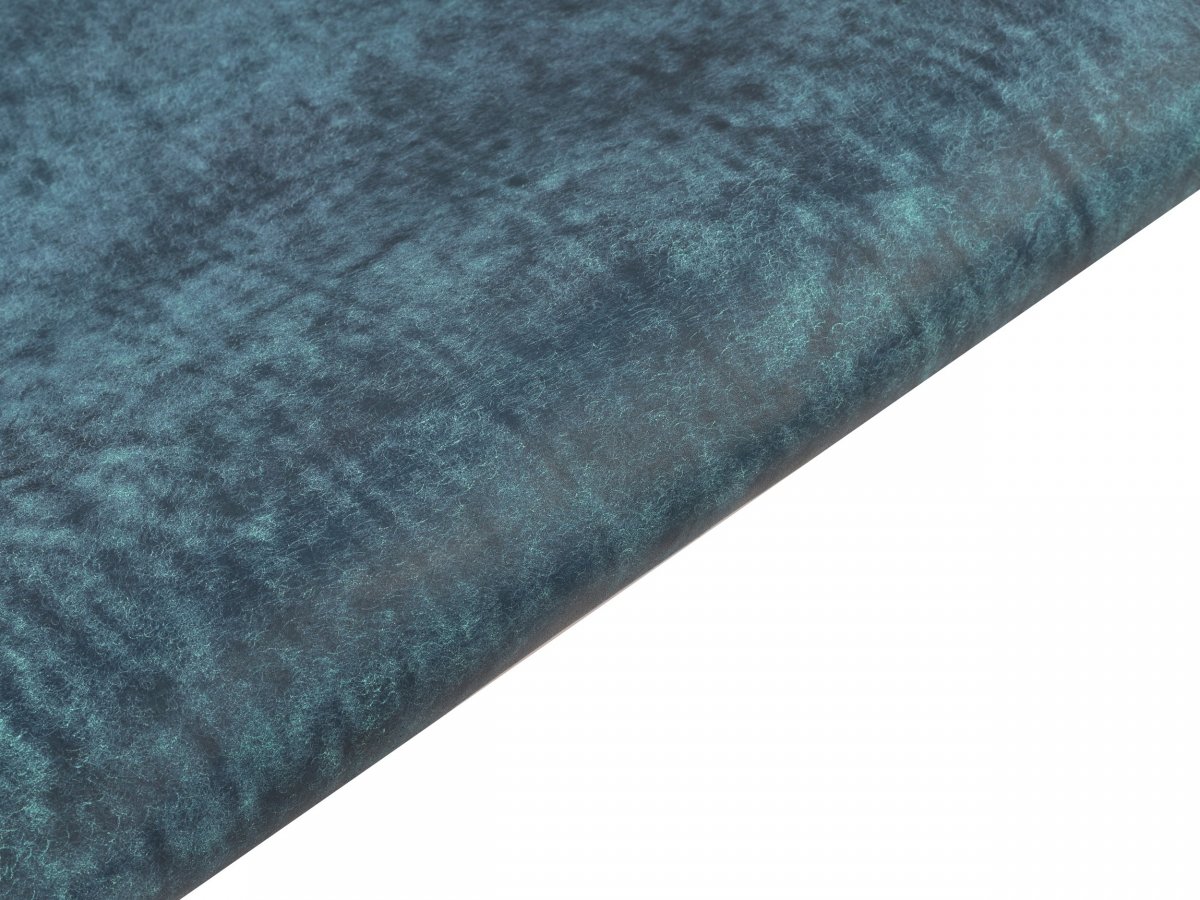
Maryam is an Italian specialist tannery focused on high-quality horsehide and fine calf leathers. They are particularly renowned for their Horsebutt in both Vacchetta (veg-tan) and TPR (thermoplastic rubber-finished) variants, which have become highly sought-after for premium Italian and Japanese boot makers. Their leathers are prized for exceptional density, tight fiber structure, and the unique qualities that only horsehide provides.
Located in Solofra — one of Italy's most important leather tanning districts in the Campania region — Conceria La Bretagna is known for their range of South American-inspired and traditional Italian leathers. Their Gaucho Oil series uses quebracho tannins from South American hardwood, a traditional tanning agent prized for producing dense, oil-rich leather with exceptional weatherproofing.
Located in Himeji — Japan's historic leather tanning capital, where leather has been produced since the Nara period (710–794 CE) — Shinki Hikaku is one of Japan's most respected tanneries. They are notable for producing both shell cordovan and horsehide leathers in the Western tradition while applying Japanese craftsmanship standards. Their oiled horsebutt is considered among the finest available.
Established in 1937, Tochigi Leather is Japan's foremost vegetable tannery and one of the few in the world still using traditional pit-tanning methods. Their Nume leather — a completely natural, undyed vegetable-tanned leather — is the gold standard of Japanese leather goods and has been used by brands including Louis Vuitton Japan. The leather starts pale and creamy, darkening to a deep honey or saddle tan patina with sunlight and use.
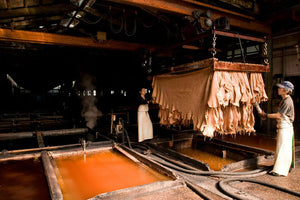
Law Tanning Company in Oneida, Tennessee is one of America's unique specialty tanneries, best known for their bison leather products. Bison leather is significantly denser and tighter-fibered than standard cattle leather, with a distinctive grain pattern and exceptional durability. Their Big Horn and Iowa Bison lines have developed a devoted following among boot enthusiasts seeking a truly American exotic leather.

A Tuscan tannery specializing in both traditional and innovative leathers, Conceria Puccini Attilio produces an eclectic range from the rustic Maremma (named after the Tuscan coastal marshland) to the metallic Bisanzio series. Their leathers reflect the diversity of Tuscan craftsmanship — natural vegetable-tanned materials alongside specialty and artistic finishes.